Five key takeaways on Russia’s relations with the West

Here’s my latest blog for Huffington Post UK:

After months of fraught relations between Russia and the West which have seen a flurry of tit-for-tat sanctions triggered by the growing unrest in Ukraine, the final straw seemed to come with the suspected downing on 17 July of flight MH17 over Ukraine by pro-Russian separatists.

Under growing international pressure to act, on 29 July the EU finally confirmed it was imposing ‘stage three’ sanctions against Russia. Here are the five key takeaways on Russian relations with the West in recent weeks:

1. Press reaction to MH17 disaster – differing views

Many of the European, American and Asian newspapers led with the story:
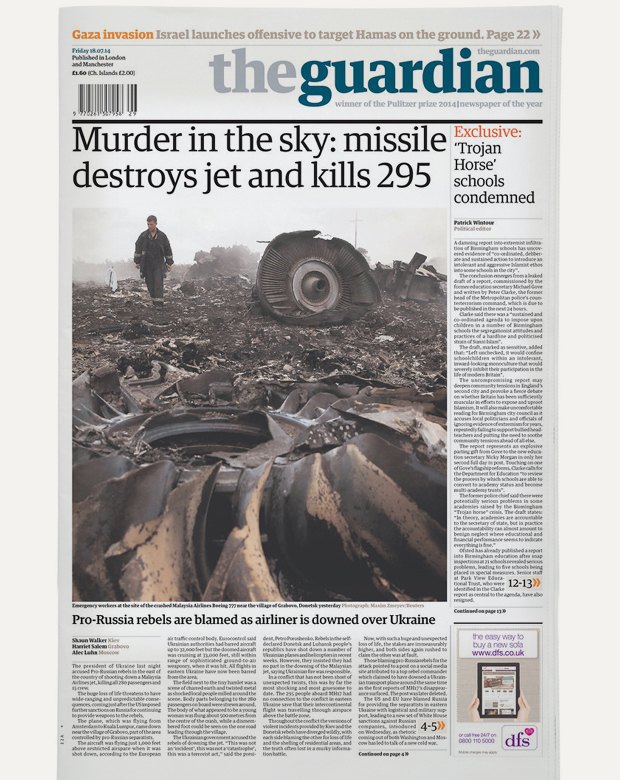
Guardian front pageAlthough as UK broadsheet The Guardian was quick to point out, many Russian newspapers relegated news of the accident to the bottom of the page:
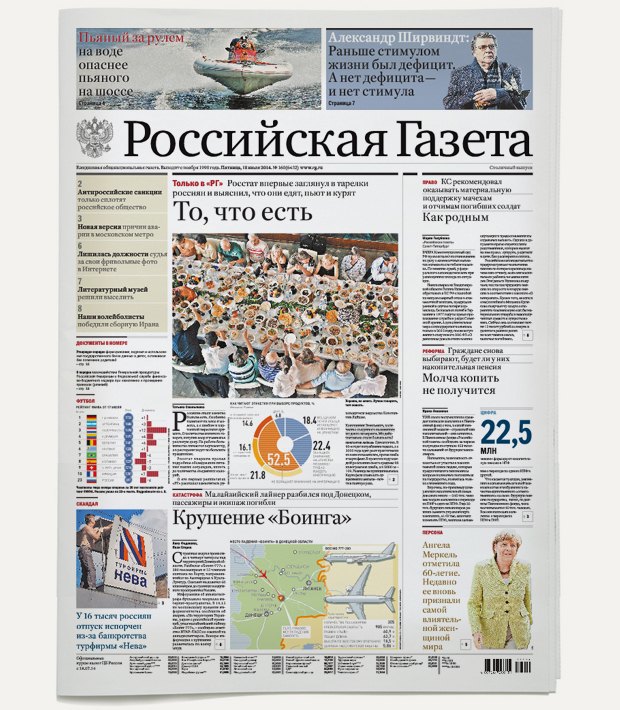
Rossiskaya GazetaAlthough pro-Kremlin Russian tabloid Tvoi Den did lead with a more dramatic image, the caption told a startlingly different story: Donetsk People’s Republic Authorities Claim Plane Destroyed by a Ukrainian Buk Missile:
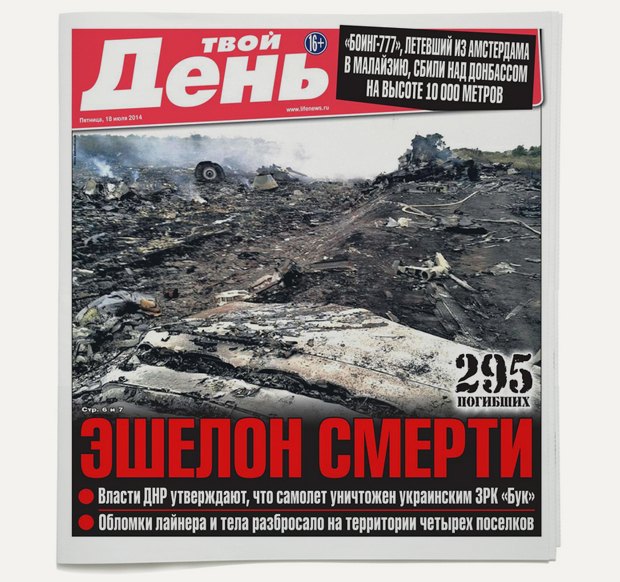
Tvoi Den front pageReflecting the shockwaves felt across the Netherlands, which suffered the most losses, Dutch daily nrc•next was noticeably more reserved: Last night in eastern Ukraine, a plane crashed. On board were 300 people, 154 of them were Dutch:
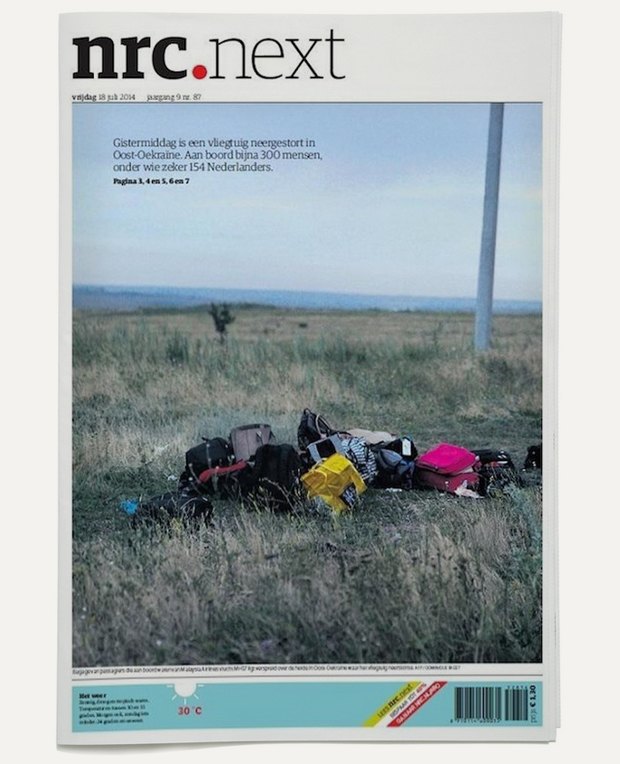
nrc.nextPublished on 01-08-14. Read on here

Venezuela: protests heighten concern over rule of law

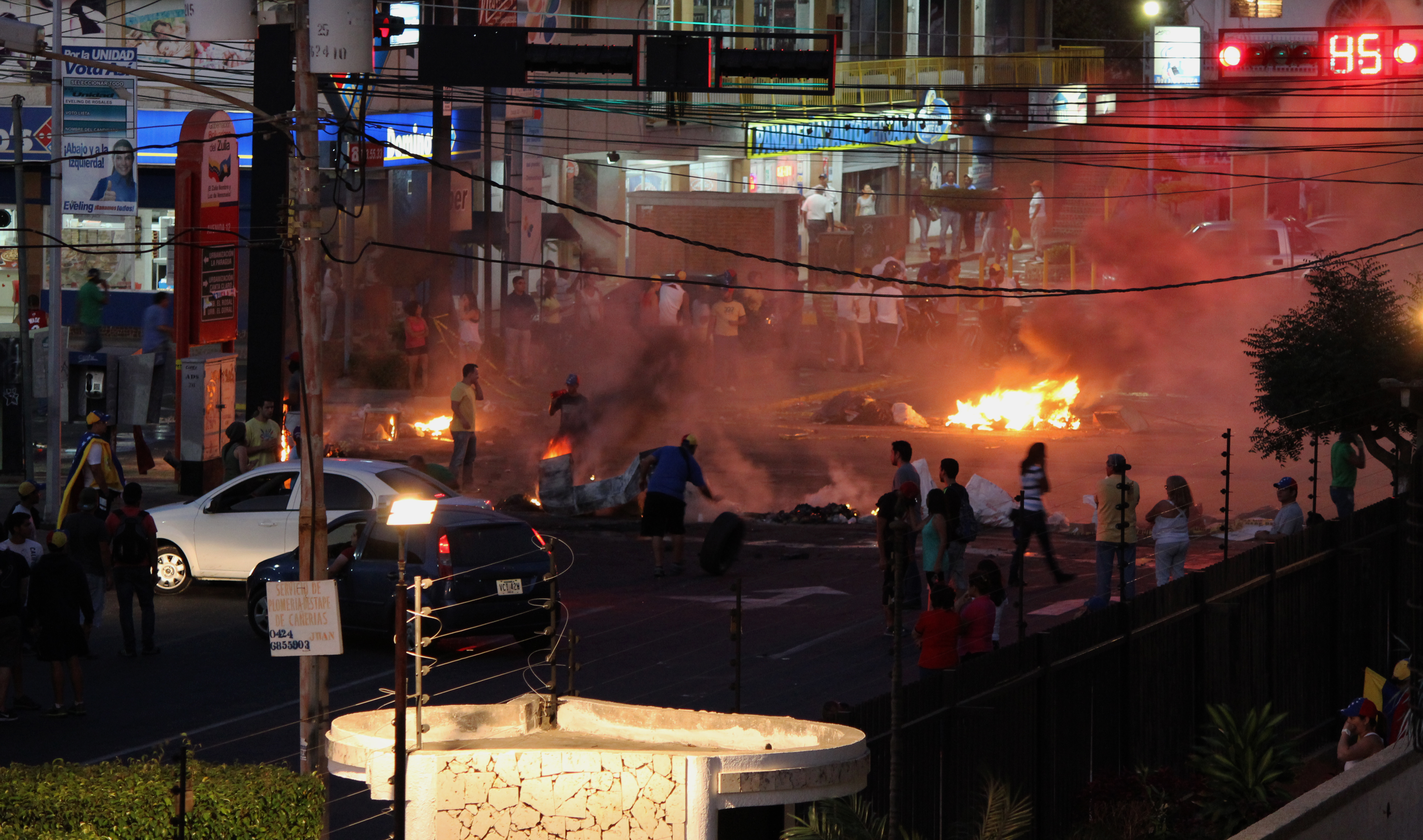
Venezuela_protests_against_the_Nicolas_Maduro_government,_Maracaibo_03Here is my latest piece published on the IBA Global Insight newsfeed:

As the situation in Ukraine grows increasingly complex by the day and draws the world’s attention, thousands of miles away on the other side of the Atlantic,Venezuela endures the worst protests it has seen in more than a decade.

What started as a mere isolated, student-led protest in early February has evolved into a widespread demonstration of discontent, highlighting the government’s failure to provide adequate security measures, basic food supplies and its mishandling of the country’s finances. The protests have drawn comparisons with the unrest that ravaged the country in 2002 and are the most serious challenge yet to the government of Nicolás Maduro, who was elected president in April last year following the death of Hugo Chávez of cancer, after 14 years in office.

Although similar to earlier demonstrations, former IBA President Fernando Peláez-Pier, a partner at Hoet Peláez Castillo & Duque in Caracas, says the scale of these protests has taken the country and the government by surprise. ‘We have not seen governmental repression quite like this in recent years: based on different reports, in 17 days of protests there have been 18 deaths and 1,044 arrests,’ he says.

Published on 05-03-14. Read on here

Could Sochi provide the thaw that Anglo-Russian relations need?

Sochi Olympics

Here’s my latest blog for Huffington Post UK:

It’s already been over a week of sun, sea and well, some snow in Sochi, but yet more naysayers continue to join the chorus of disapproval over the Russian city’s choice as host for the 2014 Winter Olympics and Paralympics.

This time, however, the criticism is not directed at President Vladimir Putin, Sochi or its subtropical climate, but at UK prime minister David Cameron, whose decision to forego the Games has been labelled a “missed opportunity” by International Olympic Committee president Thomas Bach.

As with many other world leaders – Barack Obama, Angela Merkel, François Hollande, to name but a few – Cameron opted to shun Sochi and sent culture secretary Maria Miller along to enjoy the action instead.

Although Downing Street has gone to great lengths to deny that Cameron is staging any kind of boycott, Bach clearly is far from convinced. “I always think if you don’t have a dialogue, it’s a missed opportunity,” he told the BBC in an exclusive interview. “A dialogue is always better than talking about each other. It’s always better to talk with each other.”

Published on 16-02-14. Read on here

Russian amnesty law is no substitute for genuine legal reform

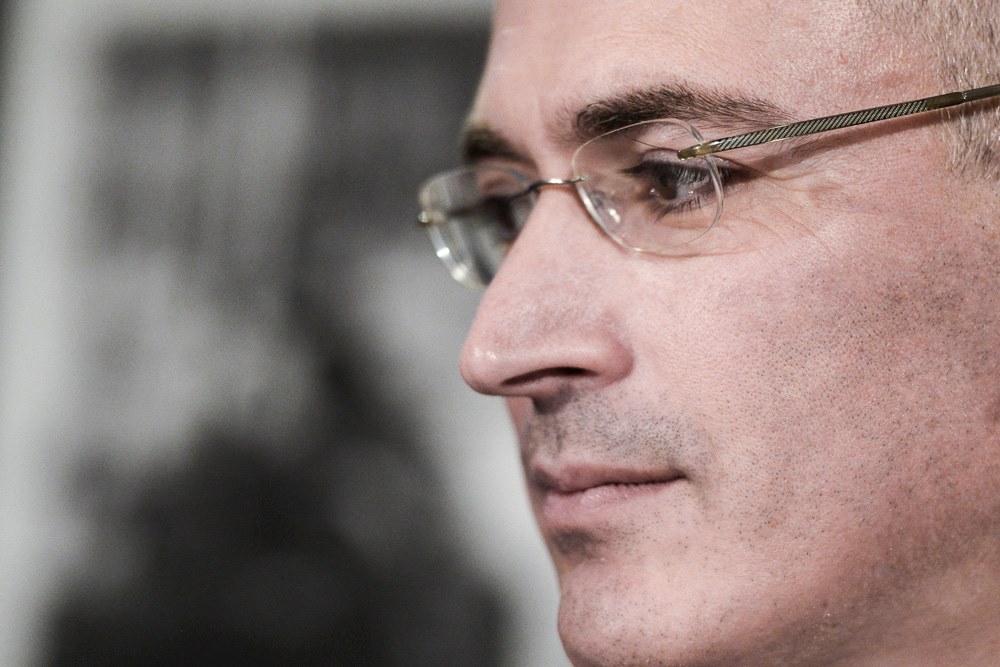
Mitya Aleshkovskiy http://commons.wikimedia.org/wiki/File:Mikhail_Khodorkovsky_2013-12-22_2.jpgHere is my latest piece published on the IBA Global Insight newsfeed:

Although Russian Orthodox Christmas was still over two weeks away, the news that the country’s parliament had passed a wide-ranging amnesty bill on 18 December must have had many prisoners thinking Christmas had come early.

The law, which has already prompted the release of the Greenpeace Arctic 30 and members of punk band Pussy Riot, coincides with celebrations marking the 20th anniversary of the country’s constitution, which proclaims the rule of law and guarantees fundamental human rights to Russian people.

Since the amnesty law mainly applies to first-time offenders, minors and women with young children, the greatest shock came when it was announced that Russian businessman Mikhail Khodorkovsky, who had already spent just over a decade behind bars for convictions of tax evasion, fraud, embezzlement and money laundering, was also due to be released.

With mounting criticism of the crackdown on protests in the country, particularly in the run-up to the Winter Olympics, this development has left many questioning the motive of the amnesty law and what significance it may hold for the rule of law in Russia today.

Published on 28-01-14. Read on here

Human Rights Commissioner slams Magnitsky trial as Europe continues to moot law

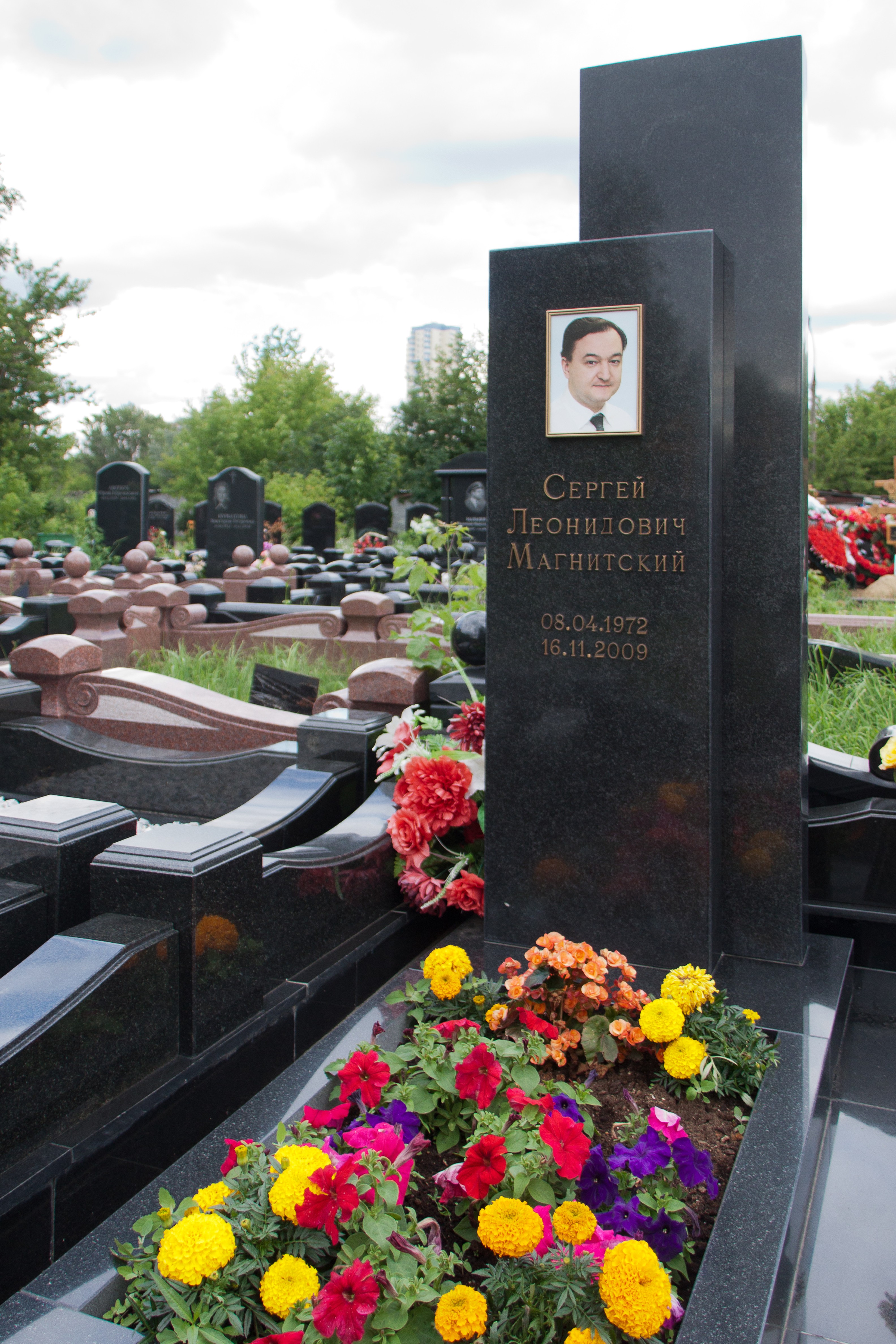
Sergei_Magnitsky_(grave)Here is my latest piece published on the IBA Global Insight newsfeed:

The Council of Europe’s Human Rights Commissioner Nils Muižnieks has condemned the posthumous trial of Sergei Magnitsky, just four months after a Russian court found the deceased lawyer and his former boss, Hermitage Capital founder Bill Browder, guilty of tax evasion in the country’s first modern-day posthumous trial.

In the report published last week, Muižnieks highlights a recent decision by the European Court of Human Rights, which states that posthumous trials violate Article 6 – the right to a fair trial – since the deceased is not able to testify at his trial.

He added that the trial’s proceedings are also contrary to a July 2011 ruling by Russia’s Constitutional Court, which stated that prosecutors cannot continue to prosecute people after their death. Instead, he adds the ruling said that ‘…posthumous trials are only allowed with a view to rehabilitating a person who was accused or convicted of a particular crime at the request of his family.’

The damning report comes just weeks after the Parliamentary Assembly of the Council of Europe’s (PACE) Legal Affairs and Human Rights Committee approved a report calling for the Russian authorities to put an end to the posthumous trial once and for all.

Published on 18-11-13. Read on here